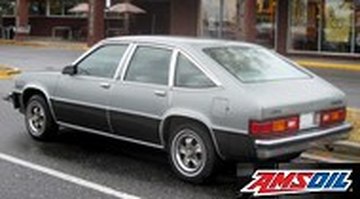
Lubrication Maintenance for the 1982 Chevrolet CITATION 2.8L
Maintaining a vehicle from the early 1980s requires a proactive approach to fluid management and mechanical inspection. For owners of a 1982 Chevrolet CITATION equipped with the 2.8L engine, consistent attention to lubrication is a fundamental aspect of long-term engine health. Because older engines may exhibit different sealing characteristics than modern counterparts, understanding how to monitor and respond to changes in lubricant condition is essential for effective ownership.
Monitoring Fluid Integrity and Potential Leaks
One of the most practical maintenance tasks involves regular visual inspections of the engine area to identify any signs of fluid loss. For a vehicle of this age, it is useful to look for evidence of seepage around various gaskets and seals. While some degree of minor seepage can occur as materials age, identifying these areas early allows for better management of the vehicle's lubrication needs.
When performing an inspection, consider the following:
- Surface Seepage: Look for oily residue or dark staining on the engine block or near sealing surfaces.
- Puddle Identification: Check the ground beneath the vehicle after it has been parked for an extended period to see if any fluid is accumulating.
- Fluid Appearance: If you are able to check the oil level, observe the color and consistency of the lubricant. Significant darkening or a gritty texture can indicate that the oil is heavily contaminated or has exceeded its effective service life.
It is important to note that various symptoms, such as an unusual odor or visible fluid on engine components, can have multiple underlying causes. Rather than assuming a specific component has failed, these observations should be treated as indicators that a more thorough inspection of the lubrication system and its surrounding seals is warranted.
Managing Engine Lubricant for Long-Term Health
The role of engine oil extends beyond simple lubrication; it also assists in managing heat and helping to control the buildup of deposits within the engine. As an engine operates, the lubricant is subjected to thermal stress and various chemical changes. Maintaining a clean and effective lubricant helps ensure that internal components remain protected from excessive friction.
For owners looking to maintain their 1982 Chevrolet CITATION, understanding different oil formulations can be beneficial. Some high-mileage oil formulations contain additives intended for use in aging engines. These specialized lubricants may include seal-conditioning additives designed to help maintain the flexibility of various gaskets and seals, which can be a helpful consideration for older vehicles that have experienced significant service time.
While modern synthetic oils offer advanced thermal stability and oxidation resistance, the most important factor is ensuring that whatever product you select aligns with the specific requirements of your engine. Always prioritize the application-specific information provided by the vehicle's technical documentation to ensure compatibility.
Practical Inspection of Engine Accessories
Beyond the oil itself, a comprehensive maintenance routine should include checking other components that support engine operation. If equipped, inspecting accessible drive belts is a prudent step during any service interval. Look for signs of wear such as cracking, glazing, or fraying along the edges of the belt. Similarly, if the vehicle is equipped with various hoses, check them for signs of hardening, bulging, or surface deterioration.
Electrical connections and wiring also warrant attention. Over time, heat cycles can cause connectors to become brittle or loose. Ensuring that electrical components related to engine monitoring are secure and free from significant corrosion helps maintain the accuracy of any dashboard indicators or sensors that may be present on your 1982 Chevrolet CITATION.
Establishing a Maintenance Baseline
For many owners, especially those who have recently acquired a used vehicle, establishing a maintenance baseline is a highly effective way to prioritize future service. If the previous service history of the 2.8L engine is unknown or incomplete, your first priority should be to document the current state of all vital fluids and mechanical components.
By performing a thorough initial inspection and recording the condition of the oil, filters, and various seals, you create a reference point. This allows you to more easily identify changes over time. For example, if you notice that the engine is consuming more lubricant than it did six months ago, or if you see new signs of seepage, you have a documented history to help guide your diagnostic decisions.
Effective record-keeping should include:
- Dates and mileage of all oil changes and filter replacements.
- Observations regarding any fluid leaks or seepage noted during inspections.
- A log of any repairs made to belts, hoses, or electrical systems.
- Notes on the specific types of lubricants used during service.
Prioritizing Service Based on Condition
As a vehicle ages, maintenance priorities often shift from strictly following a calendar-based schedule to a condition-based approach. Rather than replacing parts simply because they are old, focus your attention on components that show actual signs of wear or degradation. This distinction helps distinguish between necessary preventive maintenance and unnecessary parts replacement.
If you observe active leaks or notice changes in how the engine consumes lubricant, these should be addressed before moving on to more cosmetic or secondary maintenance tasks. Similarly, if a warning light appears on the dashboard, it warrants immediate investigation to determine the cause, as such indicators can be associated with various mechanical or electrical issues.
Buying Engine Oil for your 1982 Chevrolet CITATION 2.8L
When you are ready to replenish your engine's lubricant, the most critical step is to match the oil to the application-specific viscosity information already displayed on this page. Because different engines have specific requirements for how the oil flows under various operating conditions, using the correct grade is essential for proper protection.
Before making a purchase, carefully check the product labeling to ensure it meets the necessary quality standards and certifications. You may choose between conventional, synthetic blend, or full synthetic formulations depending on your preference and the specific needs of your engine's current condition. If you are managing an older engine with higher mileage, you might also consider looking at high-mileage formulations that include seal-conditioning additives. Regardless of the formulation chosen, always verify that the oil matches the viscosity requirements listed in the application information provided above for this 1982 Chevrolet CITATION.